
别有用心的单身女
China's Galbot robot takes on tennis star Zheng Jie in world's first human-robot match_我的网站

一 |
IT之家 8 月 23 日消息,据外媒 insideevs 当地时间 22 日报道,LG 新能源(LGES)认为,固态电池在大规模进入汽车市场前,可能会先在智能手机、无人机等非汽车领域实现商业化。LGES 指出,虽然当前人们认为固态电池能够带来更长续航、更高安全性和更快充电速度,但最大的挑战仍然是大规模量产。
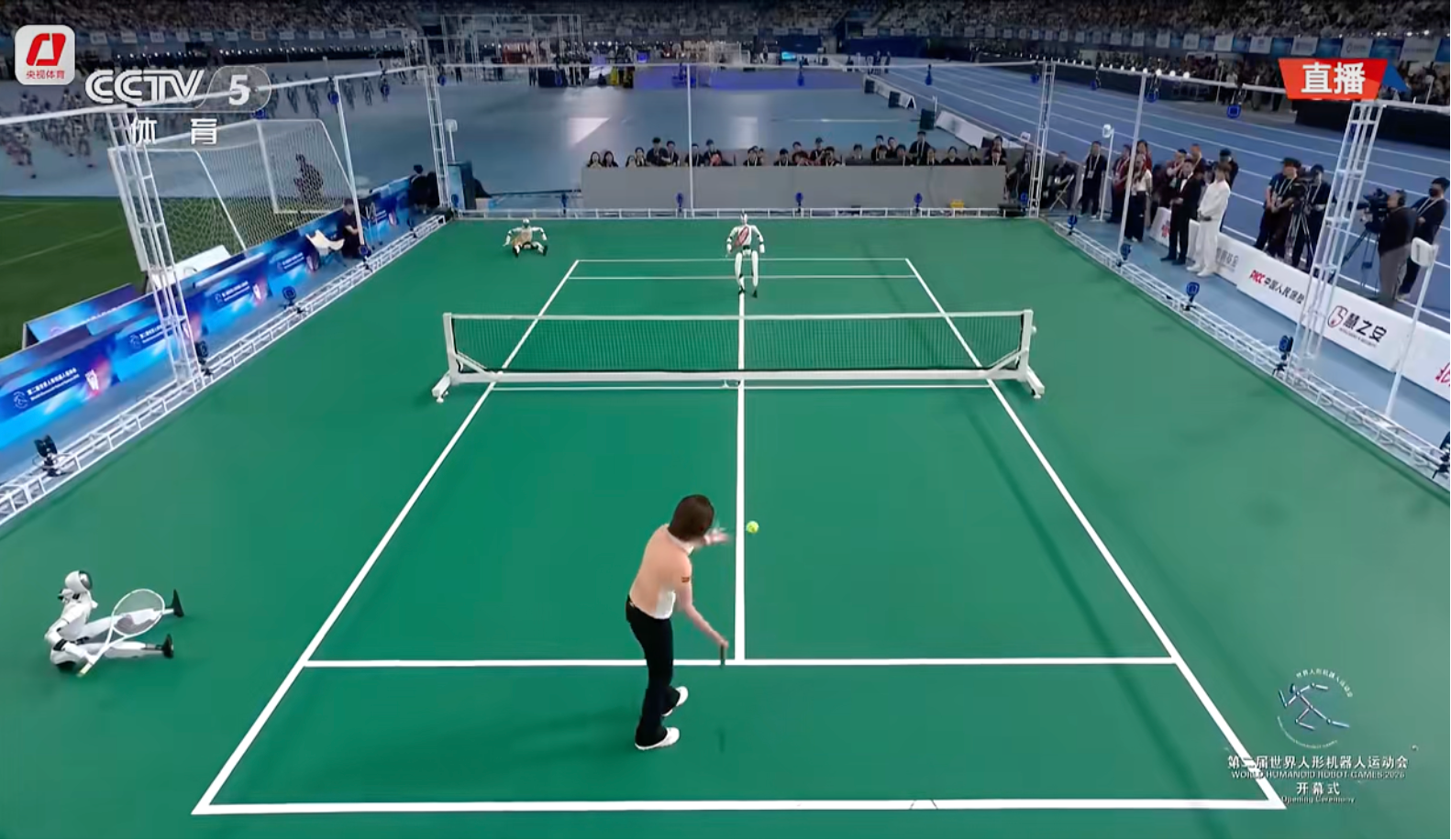
A humanoid robot went head-to-head with a former tennis champion in what was billed as the world's first human-robot tennis singles match, showcasing its ability to move, return shots and even recover from a fall during a high-intensity rally.
The match took place on Saturday as the second World Humanoid Robot Sports Games got underway. On one side of the net was Chinese tennis star Zheng Jie; on the other was a humanoid robot developed by Galbot.
The event kicked off with an entertaining mixed doubles match, in which the robot Xingzai impressed audiences with its nimble movement. It quickly moved forward and backward as needed and worked seamlessly with its human partner, with the pair adopting a complementary front-and-back formation against their opponents.
The spotlight then turned to the singles match between Zheng and the humanoid robot.
The robot held its own in rallies, trading both forehand and backhand shots with Zheng. When Zheng raised the difficulty by sending over a high, looping ball, the robot was pushed from side to side and eventually lost its balance, landing flat on its back. But it quickly recovered, adjusting its posture and getting back on its feet within seconds.
The robot also showed a surprising ability to read Zheng's slices and spin. When Zheng began moving it deliberately from side to side and from front to back, the robot responded with an impressive lunge that drew cheers from the crowd.
Throughout the match, the robot performed actions including bending its knees, tossing the ball and rotating its body entirely on its own.
The robot's serves surpassed 100 kilometers per hour, leaving it only fractions of a second to react, yet it rarely faltered under the pressure.
AlphaGo defeated South Korean Go champion Lee Sedol 10 years ago, demonstrating the power of AI in the digital realm. A decade later, a Chinese humanoid robot is stepping onto the court alongside an elite tennis player.
If AlphaGo showed that AI could master the digital world, the tennis match offered a glimpse of how AI-powered robots are beginning to withstand the demands of the physical world, experts said.
For the first time, AI was no longer confined to code. The robot ran, swung its racket, competed in real-time — and even picked itself up after falling, before carrying on with the match.
。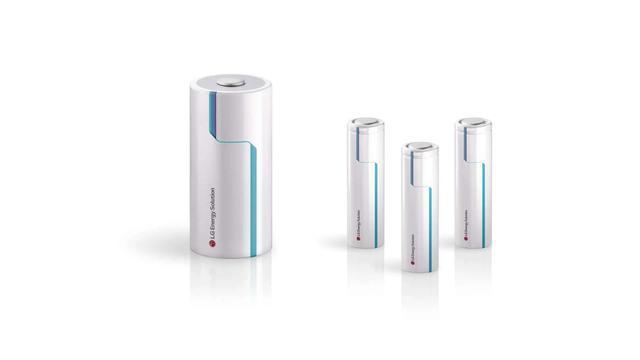 LGES 北美总裁罗伯特 · 李指出,大规模制造是固态电池商业化面临的主要障碍:“固态电池的问题在于大规模生产。

二 |
A humanoid robot went head-to-head with a former tennis champion in what was billed as the world's first human-robot tennis singles match, showcasing its ability to move, return shots and even recover from a fall during a high-intensity rally.
The match took place on Saturday as the second World Humanoid Robot Sports Games got underway. On one side of the net was Chinese tennis star Zheng Jie; on the other was a humanoid robot developed by Galbot.
The event kicked off with an entertaining mixed doubles match, in which the robot Xingzai impressed audiences with its nimble movement. It quickly moved forward and backward as needed and worked seamlessly with its human partner, with the pair adopting a complementary front-and-back formation against their opponents.
The spotlight then turned to the singles match between Zheng and the humanoid robot.
The robot held its own in rallies, trading both forehand and backhand shots with Zheng. When Zheng raised the difficulty by sending over a high, looping ball, the robot was pushed from side to side and eventually lost its balance, landing flat on its back. But it quickly recovered, adjusting its posture and getting back on its feet within seconds.
The robot also showed a surprising ability to read Zheng's slices and spin. When Zheng began moving it deliberately from side to side and from front to back, the robot responded with an impressive lunge that drew cheers from the crowd.
Throughout the match, the robot performed actions including bending its knees, tossing the ball and rotating its body entirely on its own.
The robot's serves surpassed 100 kilometers per hour, leaving it only fractions of a second to react, yet it rarely faltered under the pressure.
AlphaGo defeated South Korean Go champion Lee Sedol 10 years ago, demonstrating the power of AI in the digital realm. A decade later, a Chinese humanoid robot is stepping onto the court alongside an elite tennis player.
If AlphaGo showed that AI could master the digital world, the tennis match offered a glimpse of how AI-powered robots are beginning to withstand the demands of the physical world, experts said.
For the first time, AI was no longer confined to code. The robot ran, swung its racket, competed in real-time — and even picked itself up after falling, before carrying on with the match.
。
LGES 北美总裁罗伯特 · 李指出,大规模制造是固态电池商业化面临的主要障碍:“固态电池的问题在于大规模生产。
三 | 如果制造小尺寸电池,应该能够实现。

四 | 但如果需要制造非常大的电池,大多数企业仍然面临困难。”他认为,智能手机等小型设备可能会比汽车更早采用固态电池。“在智能手机中看到这项技术,可能要比在汽车中看到它早大约 10 年。在将其应用于汽车甚至储能系统之前,我预计它会首先进入一些特定应用场景。”具体来看,“早期应用”有望包括智能手机、无人机以及高性能汽车。据IT之家了解,去年,梅赛德斯-奔驰搭载 Factorial Energy 半固态电池的原型 EQS 轿车实现单次充电行驶接近 1207 公里。宝马 i7 原型车也用上了 Solid Power 提供的全固态电池,Stellantis 也开始测试搭载半固态电池包的道奇 Charger Daytona 汽车。

五 | 中国企业推进固态电池的速度更快。比亚迪、宁德时代、吉利等企业正在展开竞争,计划于 2027 年启动试点,并在本世纪 20 年代末推动更广泛应用。不过,LGES 认为,现有锂离子电池技术仍将继续推动汽车续航和充电能力提升。目前,LGES 正在与通用汽车合作开发富锂锰(LMR)电池。

六 | 这种电池将减少镍和钴的使用,更多依赖锰。由于镍和钴价格较高,且开采过程存在环境影响,LMR 电池有望降低成本。此外,除固态电池和 LMR 电池外,LGES 也在推进更先进的锂离子电池、钠离子电池等下一代技术。
Current article:http://v6b.kuaibenfanzhuakainenpimiuca.buzz/news/20260826_4765220.html
Published on:08:18:10